A room can have everything it needs and still feel unfinished. The reason is rarely obvious at first. People learning how to decorate a home often start by counting the empty spaces. Before long, those spaces become shopping lists instead of places allowed to find their purpose.
Rooms take time to make themselves understood. Afternoon light can make one corner feel completely different, and somehow the same chair becomes everyone’s favourite. Another part of the room may barely be used. These small habits are easy to miss when the only goal is to finish decorating.
The most comfortable homes usually have a little history in them. Things arrive at different times, for different reasons.
You may buy a lamp simply to soften the evening. Years later, a painting may find its place because it means something more.
So, today, I am going to take you on my experience of learning how to decorate a home in the most meaningful ways possible.
How to Decorate a Home Slowly Instead of Buying Everything at Once?
Here’s everything I have learned in my interior design and home decoration experience that will help you to learn how to decorate a home slowly:
1. Live in the Room Before Deciding What It Needs
A new room can be deceptive because everything looks possible. The wall seems perfect for a large cabinet, the window looks like it needs a chair, and the centre of the room appears to demand a coffee table.
Then daily life begins.
After a few weeks, the room starts giving you answers. People walk around the furniture in unexpected ways, sunlight changes how certain corners feel, and a large table may suddenly seem unnecessary. Daily life exposes what the space needs better than any plan.
A few months of waiting rarely hurts a home. It may even save money. The space can wait, but the wrong sofa may annoy you for years.
2. Choose Meaningful Decor Instead of Filling Empty Space
Decoration can fill a room without giving it much life. When every object is there only because a surface looked bare, the space may feel finished but strangely without personality.
Good objects tend to earn their place in a room. A handmade bowl, an old photograph, a carved box, or carefully chosen wooden sculptures for home decor can add warmth without crowding the space. Their presence feels quiet but certain. One well-chosen piece can often do more than several decorative purchases.
This is also where patience helps. You do not need to decorate every table the week you move in. Leave some surfaces quiet until you find something that deserves to be there.
3. Buy for the Life You Actually Live
Modern homes are decorated around an ideal life. A formal dining room is prepared for dinners that rarely happen. Fragile furniture fills the busiest room. Everyday life eventually reveals which choices were made for appearance.
A better starting point is much simpler. Look at what happens in the house.
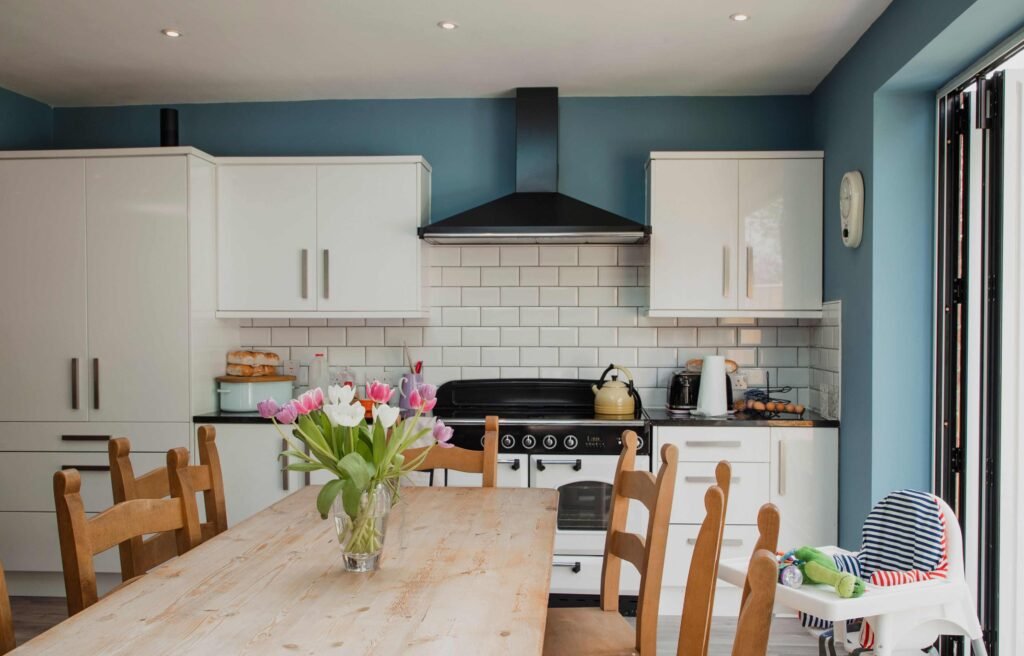
Watch where people naturally gather at the end of the day. That sofa may matter more than any decorative piece. If the kitchen table hosts meals, homework, conversations, and work calls, choose it carefully. Daily life should guide the room.
Good decorating supports ordinary life. It makes routines easier and rooms more pleasant without constantly demanding attention.
4. Let a Few Walls Stay Empty
Few people are comfortable leaving a wall untouched. The space begins to bother them, and soon a piece of artwork appears just because the room seems to need one.
But some walls can wait.
You may eventually find a photograph you want to see every day or a painting that reminds you of a particular place. That discovery is worth more than buying something forgettable simply to cover a blank space.
The principle carries through the home. Some corners are better left quiet. A simple shelf can bring calm to a busy room. Every space need not compete.
5. Spend More Carefully on the Pieces That Matter
Quick decorating often creates a strange kind of expense. You buy something inexpensive because you need it now, then replace it six months later because it was never quite right.
That second purchase tells the real story.
Waiting can often save more than expected. It gives you time to look around. You can compare prices and put money aside. More importantly, you learn whether the piece still feels right.
Good furniture does not require a large budget. A second-hand table can serve a family for years. A handmade chair brings its own character. An old cabinet may age better than a hurried purchase.
6. Avoid Making Every Piece Match
A complete matching furniture set can make a room look organised very quickly. It can also remove some of the personality.
Homes become more interesting when pieces feel related without being identical.
A modern sofa can sit easily beside an old wooden table. Simple dining chairs can gather around a new table. The pieces do not need to match. Colour, material, and proportion can quietly hold the room together.
This kind of balance takes longer to build, but that is part of its appeal. The room begins to look collected instead of purchased.
7. Look at What You Already Own
Before buying something new, move a few things around.
A lamp from the bedroom may look better in the living room. A basket that once held magazines may solve a storage problem near the entrance. A small table can move beside a reading chair and suddenly make sense there.
People often stop seeing familiar objects because they have remained in the same place for years. A different setting can change how those objects feel.
Sometimes a room needs addition. Sometimes it needs editing. Knowing the difference can save a surprising amount of money.
8. Give Your Taste Permission to Change
People change as the years pass. Their taste changes too. A home records those shifts. It should never be frozen in one age.
You may begin with pale neutral rooms and later want stronger colour. You may discover that polished surfaces feel colder than wood, or that you prefer fewer objects than you once did.
These changes are not mistakes. They are simply evidence that you have lived with your choices long enough to understand them.
Decorating slowly gives taste room to develop. It means you do not have to decide your entire visual identity in one shopping weekend.
9. Treat Trends as Suggestions
Trends often begin with a small shift. A colour suddenly feels interesting. A familiar texture looks different. Materials and lighting gain new attention.
The trouble begins when a trend becomes the reason for every major purchase.
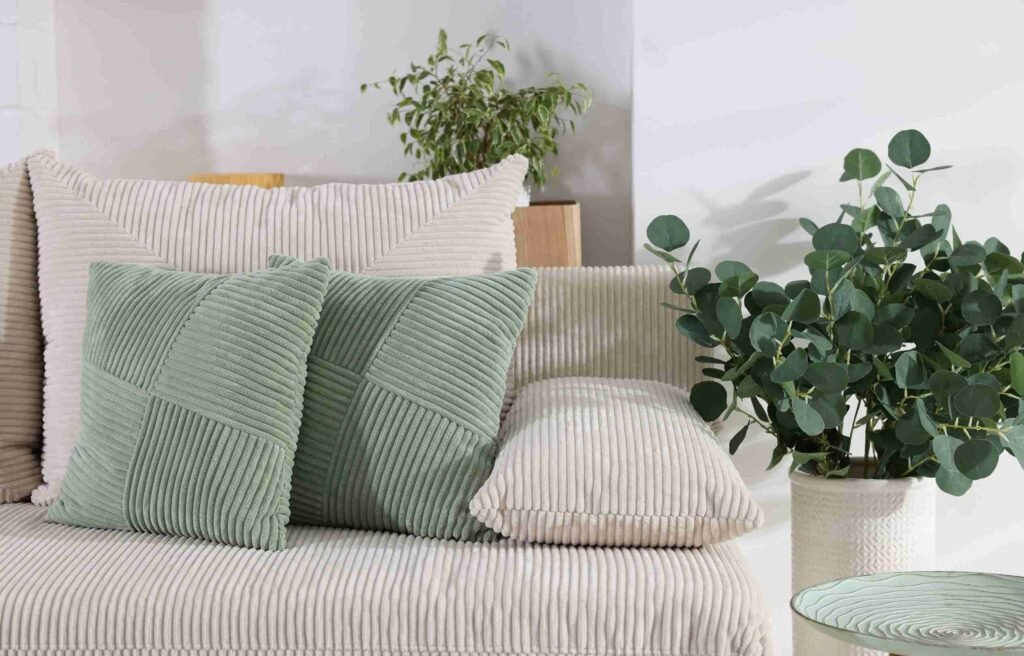
A sofa is rarely a short-term purchase. Neither is a dining table. Their comfort and scale will matter long after a trend fades. Smaller objects can carry the experiments instead.
Trends often work best in small doses. A cushion, lamp, print, or vase can introduce the colour of the moment. The room keeps its own character. Later, those pieces can be changed without much thought or expense.
10. Leave Room for Things You Have Not Found Yet
There is something hopeful about an unfinished home.
A shelf with space on it can hold a book you have not read yet. An empty wall may eventually hold a photograph from a journey you have not taken. A quiet corner may one day belong to a chair inherited from someone you love.
If everything is completed immediately, there is little room for those later discoveries.
A home should be able to absorb new memories. That is one of the reasons older homes often feel richer than perfectly styled new ones. Time has had a chance to participate.
Bring It All Together!
Decorating slowly does not mean living indefinitely with bare rooms. It means making decisions when there is a reason to make them. Some things are needed immediately, while others become clear only after you have lived in the space. A comfortable home grows with time.
Furniture settles, objects gain meaning, and rooms begin to reflect daily life. The result may feel less polished, but more real. In the end, how to decorate a home is about choosing what belongs.
Buy carefully, leave room to grow, and let the home develop its character over time.
Author bio – Bharti Rana is known for her contributions to several interior design websites where she offers warm, practical décor advice. Her years of experience in styling and sustainability have helped shape her status as a leading voice in home living.